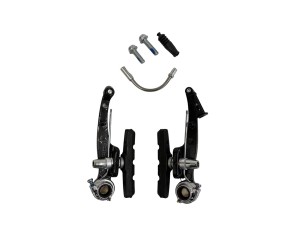
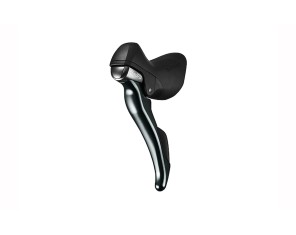
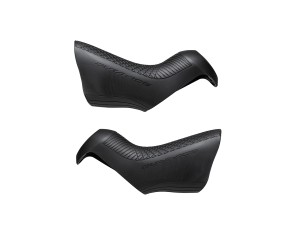
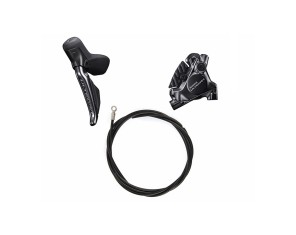
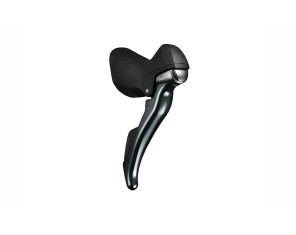
SHIMANO is probably one of the most famous and popular manufacturers of quality bicycle parts and accessories in the world. Parts from this manufacturer are more or less used in most of the bicycles Founded in 1921 in Japan, the company currently has perhaps the widest range of products for both amateurs and professionals. Every year, innovations are introduced that allow cyclists to shift gears more precisely, brake more efficiently or finish the track faster. Currently the company is expanding the offer of electronic gear shifting mechanisms and electric bicycle parts more and more. The range of products is not limited to bicycle parts, clothing for cyclists is offered as well.
When weight is a bigger factor, the M6200 two-piston brake calipers just might be the ticket. They offer the same consistent braking and excellent modulation but shave weight than the four-piston M6220 model. The M6200 incorporates the same features as the entire caliper line, designed to keep braking stable over a wider range of temperatures.
Product technical specifications
TECHNOLOGIES
SERVOWAVE – This brake system manages the friction between the brake pads and the rotor throughout the entire pull phase to achieve an optimized power curve and correspondingly more balanced braking behavior. The SERVOWAVE brake lever covers a long distance at the start of its movement, allowing the brake pads to be brought into contact with the rotor with minimal lever travel. Once the brake pads make contact, the force transmission ratio increases rapidly. The majority of the lever travel is thus still available to increase braking power and modulate it more precisely.